
Review · INDONESIA
Surabaya Shore Excursion For Cruise Passengers
Surabaya is easiest to understand at street level, where a spice market, mosque, Chinese temple, and food stall tell more of the city’s story than a quick drive past monuments. This port excursion gives you that mix without making you wrestle with traffic, maps, or the clock before your ship sails.
I like the direct port pickup and the small maximum group of 16. I also like the balance of everyday life and formal sights, especially Pabean Market and Sunan Ampel Mosque. The main drawback is that the market can be wet, messy, and strong-smelling, while one departure gave too little time to the Arab Quarter and Chinatown.
Key points for a short Surabaya port day
- Pabean Market puts you in working Surabaya: Expect spices, vegetables, fish, local fruit, and the sights and smells of a real neighborhood market rather than a polished tourist stop.
- Sunan Ampel links faith and local culture: This historic mosque area offers a useful look at Surabaya’s Muslim traditions and the cultural mix around the Arab Quarter.
- Tugu Pahlawan explains the city’s wartime past: The Heroes Monument gives the tour a clear historical center, though the nearby material can feel repetitive if you want more variety.
- Lunch is a strong part of the value: A local restaurant meal is included, along with bottled water and coffee or tea.
- Guides make or break the day: Nita, Yuni, Salsa, Agus, Shirley, Faisal, Chita, and Sheraly have all been praised for clear English, humor, flexibility, and local knowledge.
- Port timing is taken seriously: Pickup and return are arranged around your cruise, with direct drop-off at Surabaya Port.
Why this tour works well from a cruise ship
Surabaya is not a city I would recommend trying to tackle casually during a short port call. Traffic can slow the day, and the most interesting areas are spread across different parts of town. This tour solves the basic problem: you meet inside the port, share transport with people from the same ship, and return there at the end.
The stated duration is about four to five hours. In practice, some departures have run closer to six hours when the group had extra time, while another group completed the main experience in about four and a half hours. That variation matters. Your actual schedule depends on ship arrival, road conditions, closures, and the pace of your group.
The group limit is 16 people, which is a sensible size for a city tour. You are not guaranteed a private vehicle, but you should avoid the very large coach feel that can make a short port stop frustrating. One booking was made by someone expecting a private tour, so read the shared-tour wording carefully before paying.
The operator includes the driver, fuel, port fees, parking, tolls, taxes, guide, bottled water, coffee or tea, and entrance costs. At $85 per person, the price is not bargain-basement, but it covers the parts that often create trouble in Indonesia: transport from the port, navigation, admissions, and a meal. The value is strongest if you want a managed day with a reliable port return rather than trying to arrange separate taxis and food on your own.
More shore excursions around the world:
- FOR CRUISERS: Skip The Lines PRIVATE EPHESUS TOUR &On Time Return
★ 5.0 · 8,527 reviews - Top Choice For Cruisers: Ephesus, Mary’s House WITH TICKETS+LUNCH
★ 5.0 · 7,233 reviews - PRIVATE EPHESUS TOUR FOR CRUISERS: On-time Return and Skip-Line
★ 5.0 · 5,807 reviews
Pabean Market: the most authentic stop
Pabean Market is where the tour shifts from sightseeing to ordinary city life. You walk through a traditional market used by local shoppers, with produce, spices, garlic, shallots, peppers, fish, and other food supplies moving around you.
You may be offered local fruit to taste. The point is not a formal tasting menu. It is the chance to try something unfamiliar while your guide explains what you are seeing and how the market fits into daily life.
This is also the stop that divides people most sharply. Some people love the direct contact with food, work, and local trade. Others find the market wet, messy, crowded, or unpleasantly strong-smelling. If you prefer tidy streets and carefully presented cultural attractions, you may wish this stop were shorter.
Wear shoes that can handle damp ground, and do not expect a quiet walk. Keep your belongings close, follow the guide, and be ready for a sensory experience. The spice section has been a highlight for many people, especially when the guide explains the ingredients rather than simply pointing them out.
Some departures have included a short tuk tuk ride connected with the market visit. It appears in past experiences, but it should not be treated as a guaranteed part of every departure.
Sunan Ampel Mosque and the Arab Quarter
Sunan Ampel Great Mosque is one of the tour’s strongest cultural stops. The site brings together religion, local customs, and the long-established Arab Quarter around Ampel. You get a chance to see how different communities and traditions meet in one part of Surabaya.
Dress with care. One important practical point is that the Arab and Indian quarter requires shoulders to be covered and clothing of a reasonable length. The supplied information does not set out a formal clothing list, so conservative clothing is the safest choice. A light shirt or scarf can be useful if your outfit is otherwise too open.
The area is best experienced on foot. You may see shops, food sellers, religious buildings, and people going about their business. This is not a museum exhibit arranged for visitors. It is a working neighborhood, and your guide’s explanations help you read the setting respectfully.
This stop also shows why guide quality matters. A quiet guide who only points out buildings can leave the Arab Quarter feeling like a drive-by. An engaged guide can explain the religious and cultural background, answer questions, and help you understand what you are seeing.
The biggest weakness in the whole experience has appeared here. One departure did not properly walk through the Arab Quarter and only saw a doorway or entrance area. Chinatown was also pointed out from the vehicle rather than visited in a meaningful way. If these areas are your main reason for booking, confirm the planned walking route with the operator before your ship arrives.
Tugu Pahlawan and Surabaya’s independence story
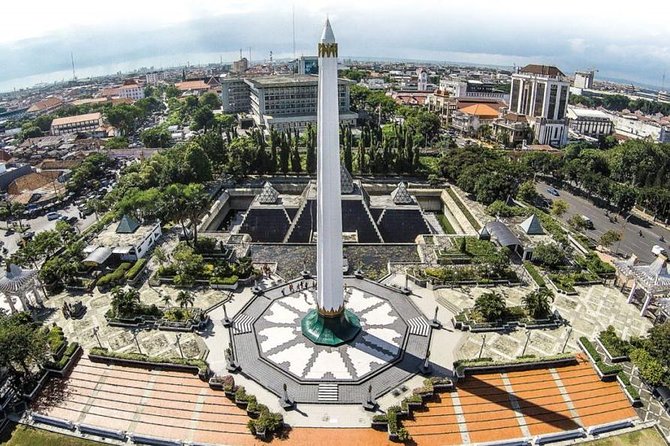
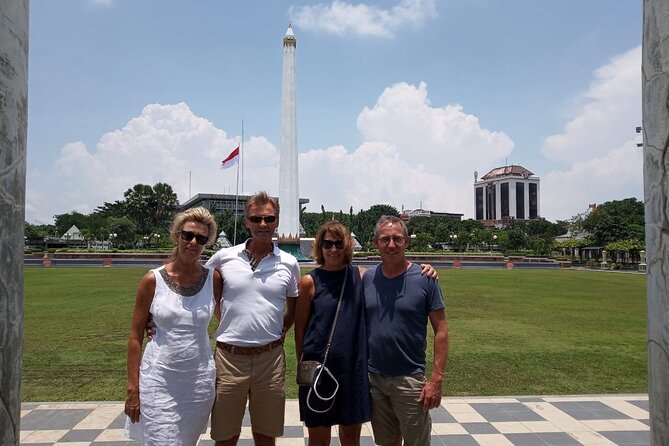
Tugu Pahlawan, or Heroes Monument, gives the tour its clearest historical focus. The monument honors Indonesian independence fighters and connects Surabaya with the country’s struggle for freedom.
This is a useful stop if you want political and national context, not just photographs. Surabaya played an important part in the independence period, and the monument helps explain why the city carries such strong local pride.
The tradeoff is repetition. The monument and nearby historical displays cover closely related ground. One person suggested replacing or shortening the market and using the extra time for a more photogenic location, while also noting that the city’s wartime story is important.
I would not call this a relaxed sightseeing stop. Its value comes from understanding what happened here. Listen to the guide, ask questions, and give the place more than a quick photograph. If you are mainly looking for architecture or scenic views, this may feel less rewarding than the market or temple.
Same port, a different plan for the day:
- From the Port of Kos: Full Day Boat Cruise to 3 Islands
★ 4.8 · 5,137 reviews - Hilo Shore Excursion: Volcanoes National Park & Black Sand Beach
★ 4.5 · 2,338 reviews - Arrecife: Timanfaya and Green Lagoon for Cruise Passengers
★ 4.6 · 2,010 reviews - For cruise passengers: Guided ATV Tour of Dutch & French St. Maarten
★ 5.0 · 1,552 reviews
Hok Tek Tjeng Sin Temple and the Chinese quarter
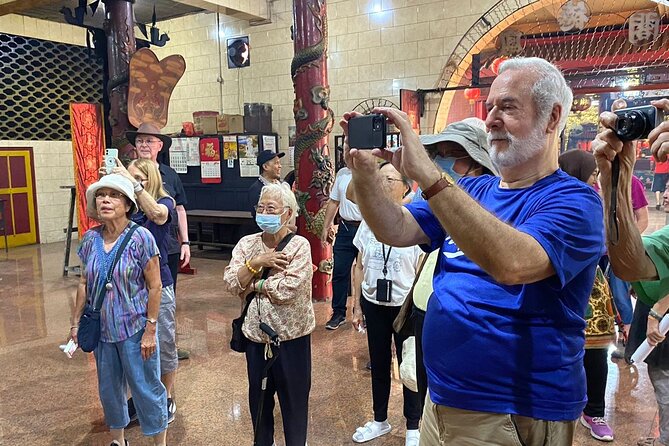
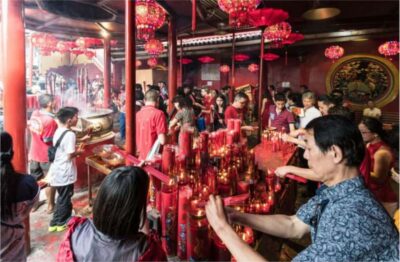
The Chinese temple stop is Klenteng Hong Tiek Hian, also referred to as Hok Tek Tjeng Sin Temple. It adds another layer to Surabaya’s cultural mix, following the mosque and Arab Quarter with Chinese religious architecture and colorful decorative details.
The temple is smaller and more intimate than a grand national monument. You can look at the carvings, ornaments, prayer spaces, and visual symbols while your guide explains the local setting. One departure included a puppet activity at a Chinese temple, which was remembered as a particularly unusual experience. That kind of activity may depend on the day and should not be expected as a fixed feature.
This stop is a good reason not to judge Surabaya only by its major monuments. The city’s character comes from several communities living and trading close together. The mosque and temple work well as a pair because they show different religious traditions within the same urban visit.
Closures can happen. A past tour had to skip two sections because facilities were closed, and the guide provided alternatives. That is a normal risk on a short city tour, but it also means you should remain flexible rather than treating every stop as guaranteed in exactly the same form.
Lunch, coffee, and the food side of the day
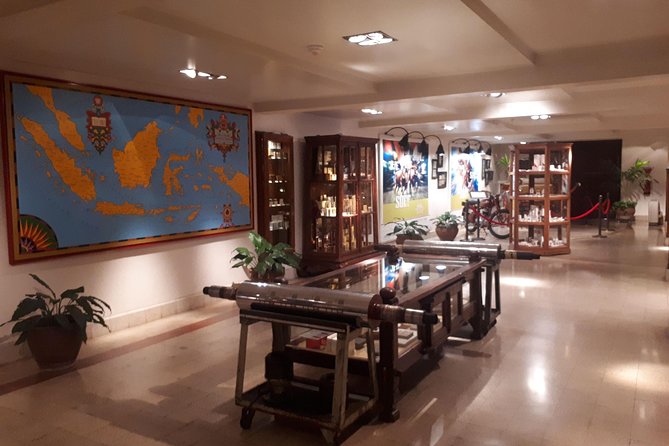
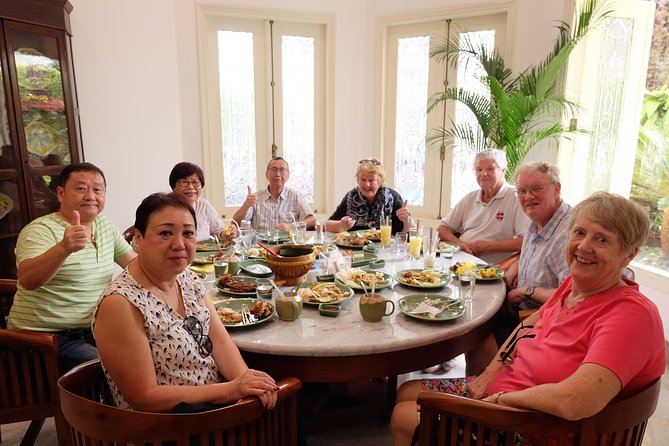
Lunch at a local restaurant is included, and it has been one of the most praised parts of the experience. People have described the meal as excellent, delicious, tasty, and interesting. That is important because a port excursion can feel overpriced if the food is left to chance.
The meal also gives you a comfortable pause after the market and walking stops. Indonesian food is a major part of understanding the country, and a sit-down local meal offers more than grabbing something quickly near the port.
Coffee or tea is included, as is bottled water for each person. In Surabaya’s heat, the water is not a minor extra. Carry it with you between stops, especially if you are not used to hot, humid conditions.
The order of refreshments may not be perfect. One person felt the snack came too close to lunch and would have preferred it earlier. You should think of the food service as a useful part of the tour, not a carefully timed culinary program.
Personal expenses are not included. If you want extra drinks, souvenirs, or market purchases, bring money for those separately.
The guide matters more than the vehicle
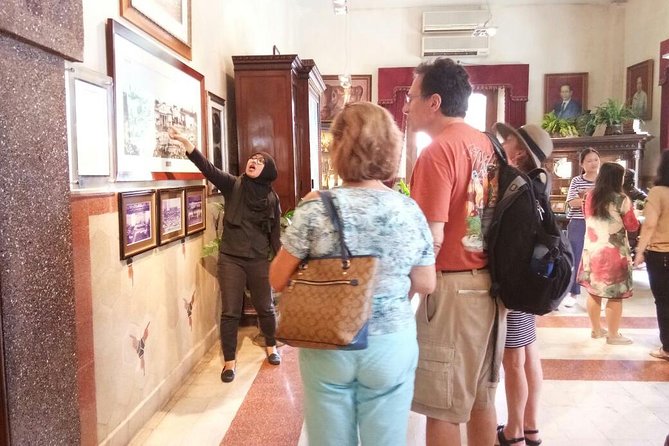
The strongest departures have had guides who make the city easy to understand. Nita has been praised for clear English, humor, local knowledge, and the ability to adjust the route. Yuni was described as well prepared and helpful when unexpected personal issues arose. Salsa was praised for excellent English and for allowing some customization while still explaining what should not be missed.
Other highly regarded guides include Agus, Shirley, Faisal, Chita, and Sheraly. Their strengths have included history, culture, humor, local pride, and the ability to adapt when sites were closed or people needed extra help.
That last point is worth noting if you have mobility concerns. The official information says the tour is not recommended for people with walkers, but one departure adapted well for two people using walkers. The itinerary includes markets, walking, religious sites, and uneven or wet areas, so you should discuss your needs with the operator before booking rather than rely on the best-case example.
The one poor experience came from a guide who spoke very little, drove past parts of the city, and did not properly visit the Arab Quarter or Chinatown. The group ended the tour at a mall. That appears to be an exception among the supplied experiences, but it points to a real issue: this tour depends heavily on the guide delivering the planned stops.
Heat, clothing, and practical preparation
Surabaya can be hot, and you should dress for walking in warm conditions. Bring water, wear comfortable shoes, and choose clothing that works for both a food market and a mosque area.
For the Arab Quarter and Sunan Ampel, cover your shoulders and avoid short clothing. This is the most important clothing tip, since the dress expectation was not always made clear before departure.
A small amount of flexibility will help. Roads may be slow, a market may take longer than expected, and a temple or museum may close. The operator’s guides have sometimes substituted another stop or added shopping time when a planned site was unavailable.
The tour is not built around luxury transport. It is shared transport with a driver, and vehicle comfort can vary. One person found a medium-sized bus short on legroom. If you are tall, have back problems, or need extra space, ask about the vehicle before booking.
Is $85 a fair price?
I think the price is reasonable for a cruise-port excursion, especially if you value simplicity. You are paying for a guide, round-trip port transport, fuel, tolls, parking, taxes, entrance fees, water, refreshments, and lunch. Organizing all of that independently in four or five hours would be difficult, especially if you do not speak Indonesian.
The price is less attractive if you want a private tour, a slow visit to every neighborhood, or control over each stop. This is a shared outing, and the route is designed to give you a broad city introduction rather than a specialist tour of one subject.
It can also compare well with ship-run excursions. One person reported paying about half the ship excursion price for a more personal group experience. Prices on your own ship may differ, but the comparison is useful: a small shared local tour can offer good value when the return-to-port promise matters.
Who should book this Surabaya excursion?
I would choose this tour if you want to see several sides of Surabaya in one port call: local food, a traditional market, Muslim heritage, independence history, and Chinese religious culture. It suits you if you value a guide who explains context and if you want lunch and transport handled in one booking.
It is also a good match for people who feel uneasy about arranging transport in a busy Indonesian city. The direct port pickup removes much of the stress, and the operator places strong emphasis on getting you back to the ship on time.
I would hesitate if you dislike markets, heat, strong smells, wet floors, or walking through working neighborhoods. I would also hesitate if your top priorities are a guaranteed long visit to the Arab Quarter and Chinatown, since one departure did not deliver those stops as fully as expected.
Free cancellation is available up to 24 hours before the start time. Changes or cancellations inside that window are not accepted for a refund, and the experience can be canceled if its minimum number is not met. Most people can participate, but mobility needs should be discussed in advance.
Should you book it?
Book it if you want an efficient, culturally varied introduction to Surabaya and prefer a local guide over an independent port dash. The best version of the day includes a lively market, clear explanations from a guide such as Nita, Yuni, Salsa, or Agus, a good Indonesian lunch, and a calm return to the ship.
Do not book it expecting a private vehicle, polished attractions, or a guaranteed slow walk through every quarter. Ask before arrival how much time is planned for the Arab Quarter and Chinatown, dress modestly, and accept that the market may be confronting. With those expectations, this is a solid way to use a short stop in Surabaya.
FAQ
How long does the Surabaya shore excursion last?
The advertised duration is approximately four to five hours. Some departures have lasted about four and a half hours, while others ran longer when extra time was available.
Where does the tour begin and end?
The tour begins with pickup inside Surabaya Port and ends with drop-off at the port. It is arranged for cruise passengers from the same ship.
Is this a private tour?
No. This is a shared tour with other passengers from the same cruise. The maximum group size is 16 people.
What sights are included?
The planned stops include Pabean Market, Sunan Ampel Great Mosque, Tugu Pahlawan, and Klenteng Hong Tiek Hian, also called Hok Tek Tjeng Sin Temple. The tour also includes the Arab Quarter area.
Is lunch included?
Yes. A local restaurant lunch is included. Coffee or tea and bottled water are also provided.
Are entrance fees included?
Yes. Entrance fees, parking fees, port fees, fuel, taxes, and highway tolls are included.
What should I wear?
Wear comfortable clothing suitable for walking, and cover your shoulders with reasonably long clothing for the Arab and Indian quarter and mosque area.
Is the tour suitable for people using walkers?
The official information does not recommend the tour for people with walkers. Some guides have adapted the experience for people with mobility needs, so contact the operator before booking to discuss your situation.
Can I cancel for a refund?
You can cancel up to 24 hours before the experience begins for a full refund. Cancellations or changes made less than 24 hours before the start time are not accepted for a refund.
Fresh shore excursions around the world
- Shore Excursion Hobart and Coal River Valley★ 5.0 · 7 reviews
- Private Shore Excursions from Chan May port to My Son Holyland & Hoi An City★ 5.0 · 2 reviews
- Hobart Shore Excursion: Bonorong Bus★ 5.0 · 4 reviews
- Cruise Ship – Port Arthur Shore Excursion – Hobart★ 5.0 · 15 reviews
- Shore Excursion – nipaluna (Hobart) Highlights★ 5.0 · 2 reviews
- Private Shore Excursion from Phu My Port: Food & Sights by Motorbike★ 5.0 · 10 reviews
- The Soul of Saigon Shore Excursion from Saigon Port★ 5.0 · 2 reviews
- Cu Chi Tunnels Private Shore Excursion – From Cruise Port★ 5.0 · 2 reviews
Indonesia Shore Excursions, compared.
Bali private Shore Excursion from Benoa Port – All Inclusive
Read our review →
Bali Benoa Shore Excursion for cruise’s passenger – All Inclusive
Read our review →
Bali: Shore Excursion for Cruises’s passenger -All Inclusive
Read our review →
Lombok: Cultural Day Tour & Beach Pickup Cruise Port/Hotel
Read our review →
Jakarta Port: Private Guided City Highlights Shore Excursion
Read our review →
BALI SHORE EXCURSIONS: EXPLORING THE EXOTIC OF BALI
Read our review →
Browse the lists this tour appears in