
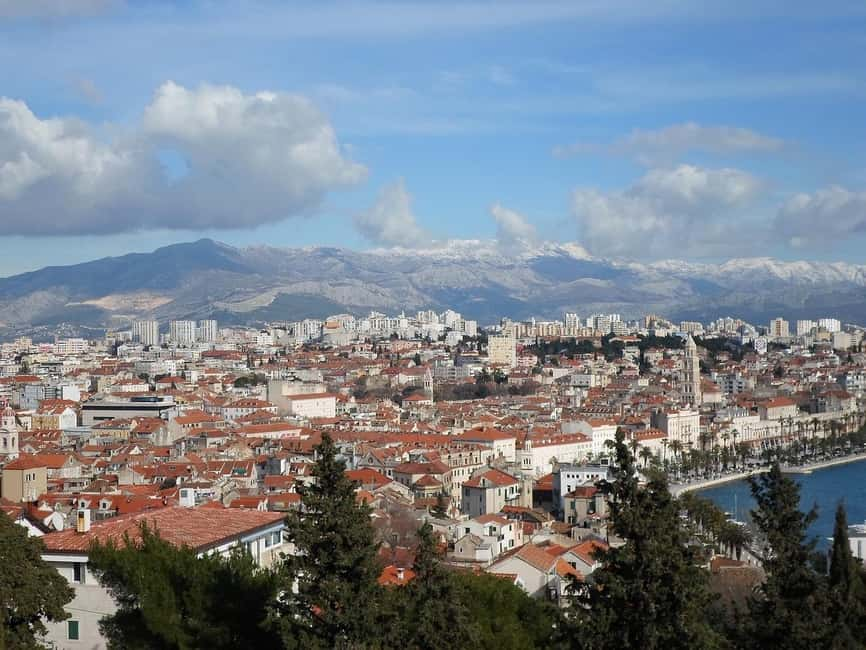
Review · SPLIT
Split and Trogir SMALL GROUP Tour with Cruise Ship Drop Off
Split and Trogir make a fine two-part history lesson: Roman Split feels like a living city built inside an emperor’s palace, while Trogir is a compact medieval town surrounded by sea. This five-hour tour links both without making you sort out transport between them.
I especially like the walk through the Golden Gate, Peristil, Vestibul, and Cathedral of Saint Domnius, followed by the easy van ride to Trogir. I also like the one-hour break in Trogir, which gives you time to wander without a guide beside you. The main consideration is pace: you cover two old towns in one morning or afternoon, and entry tickets are not included.
Key points at a glance
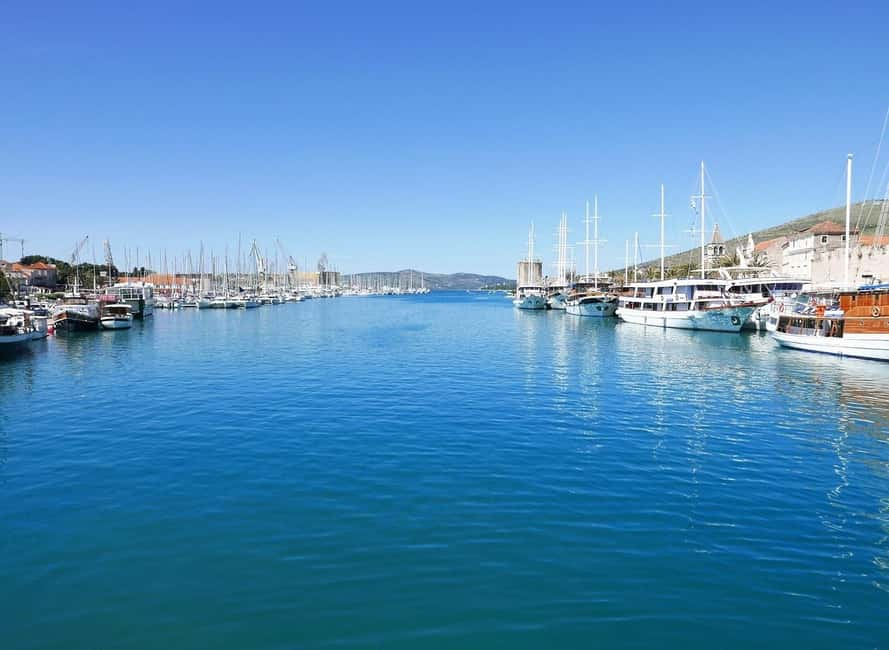
- A Roman palace that became a city: Walk through Diocletian’s Palace, where ancient walls, homes, shops, and public squares still share the same space.
- Two UNESCO-listed historic centers in one outing: Split and Trogir offer very different views of Dalmatian history.
- Guides with a personal touch: Ivana is praised for her humor and love of Split, while Slavko and Mia are known for clear explanations and warm service.
- A useful transfer between towns: The van ride takes roughly 40 to 45 minutes, saving you the trouble of arranging a separate trip to Trogir.
- Free time in Trogir: After the guided walk, you get about one hour to explore at your own speed.
- Best for mobile walkers: Expect uneven stone streets, stairs or tight spaces, and plenty of time on foot. The tour is not suitable for wheelchair users.
Why this Split and Trogir combination works
Split and Trogir are close enough to visit together, but each has its own character. Split is the larger, livelier city, with ancient Roman remains folded into ordinary modern life. Trogir is smaller and more contained, with narrow lanes, stone buildings, and a waterfront setting that makes it easy to explore on foot.
The tour’s value comes from joining these places in one well-organized half day. At $58 per person, you are paying for a local licensed guide, two walking tours, and transport between the cities. That is a fair price if you want historical context and do not want to arrange a taxi or bus connection yourself.
The tradeoff is that the tour keeps moving. You will see the main sights, but you will not have unlimited time inside museums or churches. Entry tickets are not included, and the stated visits are exterior visits, so check your expectations before booking.
More Small Group Shore Excursions in Croatia:
- Ephesus: Small Group Tour for Cruise Passengers
★ 4.8 · 1,100 reviews - Mykonos Small Group Tour for Cruise Passengers — Port Pickup
★ 5.0 · 597 reviews - Rome Small-Group Shared Tour from Civitavecchia: 8 People Max
★ 5.0 · 420 reviews
Meeting the guide at the Golden Gate
The meeting point is directly below the statue of Gregory of Nin, in front of the Golden Gate, the grand northern entrance to Diocletian’s Palace. Look for the blue umbrella.
This is a sensible starting point because the Golden Gate gives you an immediate sense of scale. The entrance was built for the palace complex, not for a modern public square, and walking through it takes you straight into Split’s old core.
Give yourself enough time to find the meeting point. The palace area contains many lanes and busy pedestrian spaces, so arriving early makes the start less rushed. Pickup may be available from your location if you select that option, but the exact pickup arrangement depends on the booking choice.
Walking through Diocletian’s Palace
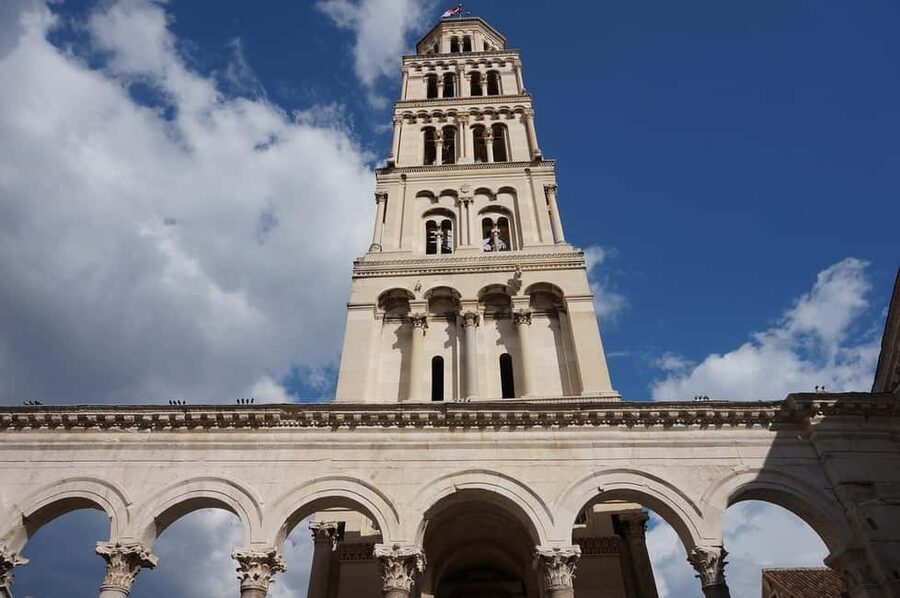
The Split portion begins with the palace itself. Emperor Diocletian built the complex as a retirement residence and military stronghold, but later generations adapted it. That is what makes the site more interesting than a simple set of ruins: Roman stonework sits beside homes, businesses, and active streets.
Your guide brings the remains into focus as you walk. Without that explanation, it is easy to see only old walls and columns. With context, the layout starts to make sense, and you can picture how the palace once functioned.
The Golden Gate
The Golden Gate was the palace’s northern entrance. It is the first major landmark on the route and a useful place to understand the palace’s defensive design.
The statue of Gregory of Nin now gives the meeting area a distinctly Croatian feel. You may see people rubbing the statue’s toe for luck, but the tour’s focus is the old palace entrance and the stories tied to Split’s past.
More shore excursions around Croatia:
- Split and Trogir Half Day Tour from Cruise Ships
★ 4.8 · 599 reviews - Split and Trogir private tour *ideal for cruise ship guests*
★ 5.0 · 210 reviews - Split and Trogir Half Day Tour from Split (with port pickup)
★ 5.0 · 133 reviews - Dubrovnik Shore Excursion: Explore Dubrovnik by Cable Car (ticket included)
★ 4.5 · 109 reviews
Peristil Square
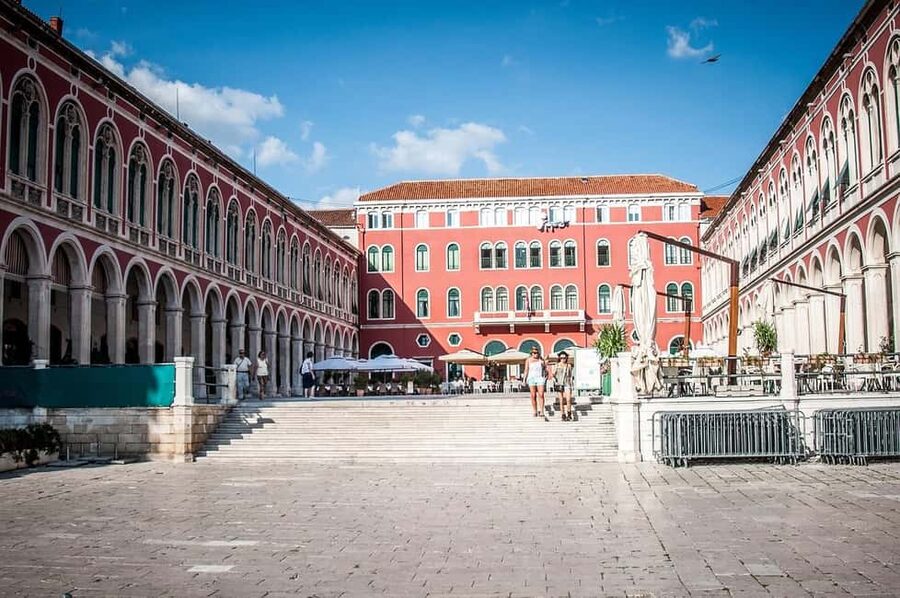
Peristil was the palace’s main courtyard and remains one of the most striking open spaces in Split. Tall stone columns frame the square, while the surrounding buildings show how the old imperial complex changed over time.
This is a good place to pause and look upward. The proportions of the courtyard make sense only when you consider that it was designed to impress. Your guide can explain how the square connected important parts of the palace and why it remains central to the city today.
Peristil can feel crowded, especially during busy port days. That is not a flaw in the site, but it does mean you may need to stay close to the guide and listen carefully.
The Vestibul
The Vestibul is a round entrance hall with an open dome and notable acoustics. It once served as a formal approach to the emperor’s apartments.
The shape of the space is its main attraction. Sound carries unusually well, so your guide may point out how the room works acoustically. Even a short stop here helps you understand the palace as a place built for ceremony, not just defense.
Cathedral of Saint Domnius
The Cathedral of Saint Domnius occupies what was originally Diocletian’s mausoleum. That change from Roman imperial tomb to Christian cathedral reflects the many layers of Split’s past.
The tour includes a guided look at the cathedral, but entry tickets are not included and the advertised sightseeing is exterior only. If going inside matters to you, ask about the current ticket arrangements before the tour begins. The outside still gives you a strong sense of the building’s unusual history, especially because its original Roman purpose is so different from its later religious role.
The Basement Halls
The basement halls are among the best-preserved Roman parts of the palace. Their low spaces and stone construction offer a clearer sense of the original complex than some of the altered upper areas.
This section is especially useful for visitors who want to understand how the palace was built. The basement was not just a random underground maze. It helped support the upper rooms and followed the palace’s layout.
Because the route includes old stone streets and historic spaces, wear comfortable shoes. Large bags and luggage are not allowed, which is particularly important if you are arriving from a cruise ship with more than a day bag.
The van ride from Split to Trogir
After the Split walk, you travel by van to Trogir. The transfer takes roughly 40 to 45 minutes, depending on the exact schedule and road conditions.
I like this part of the plan because it breaks up the walking. You get a chance to rest while the guide or driver handles the connection. It also makes Trogir practical for a short visit, especially if you are working around a cruise ship schedule.
Do not expect a long scenic excursion during the ride. The main purpose is transport, not sightseeing. The useful point is convenience: you do not need to find your own route between the two towns or worry about returning to Split afterward.
Trogir’s narrow streets and stone squares
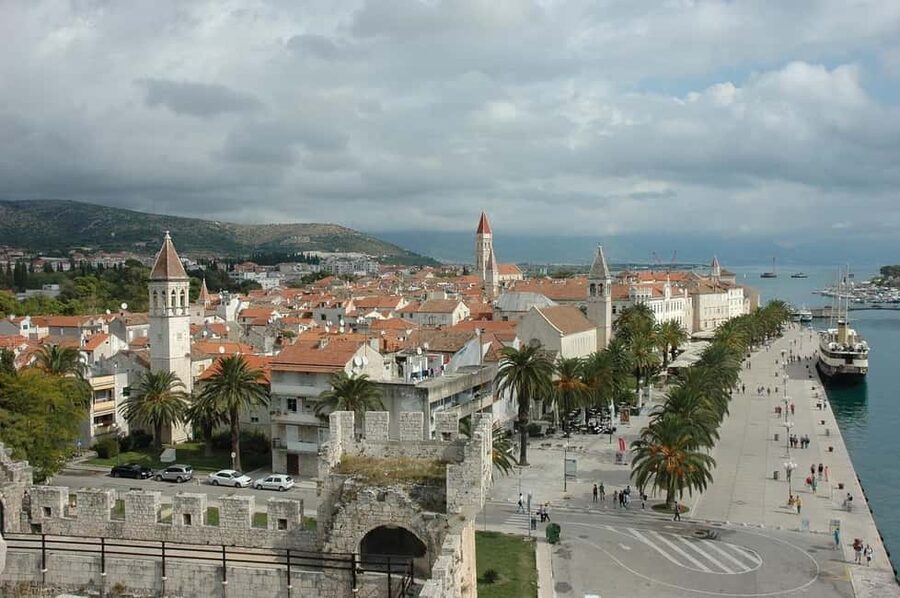
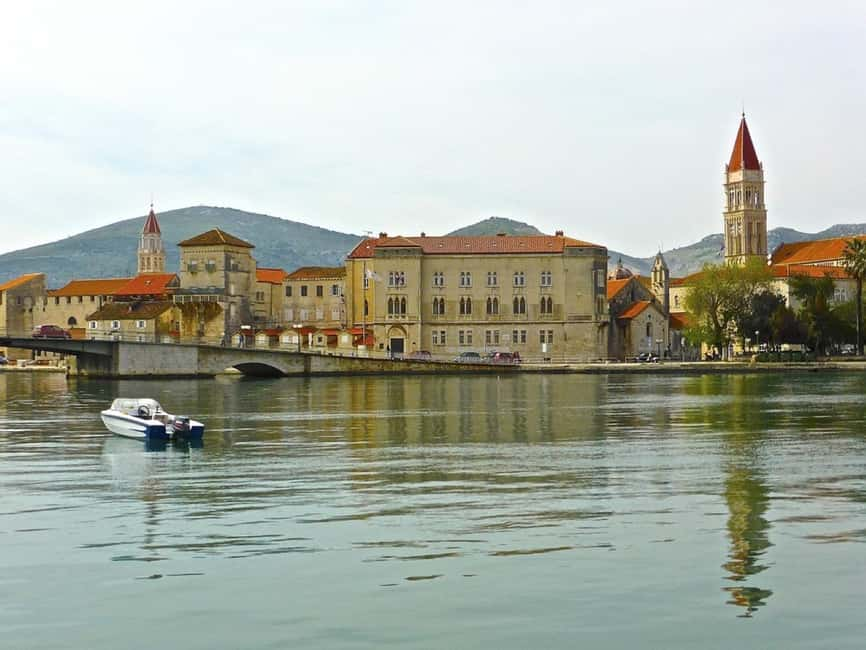
Trogir’s old town is compact and easy to cover on foot. Its streets follow an old Greek urban plan, and the town has kept much of its historic shape. The result is a place that feels more contained than Split.
The guided walk takes you through narrow stone-paved lanes toward the main square. You will hear about Trogir’s history, customs, and architecture while moving between the major sights.
Trogir can be a pleasant contrast after Split. Split has the drama of a major palace and an active city around it. Trogir offers a slower sequence of lanes, courtyards, stone façades, and waterfront views.
Cathedral of Saint Lawrence
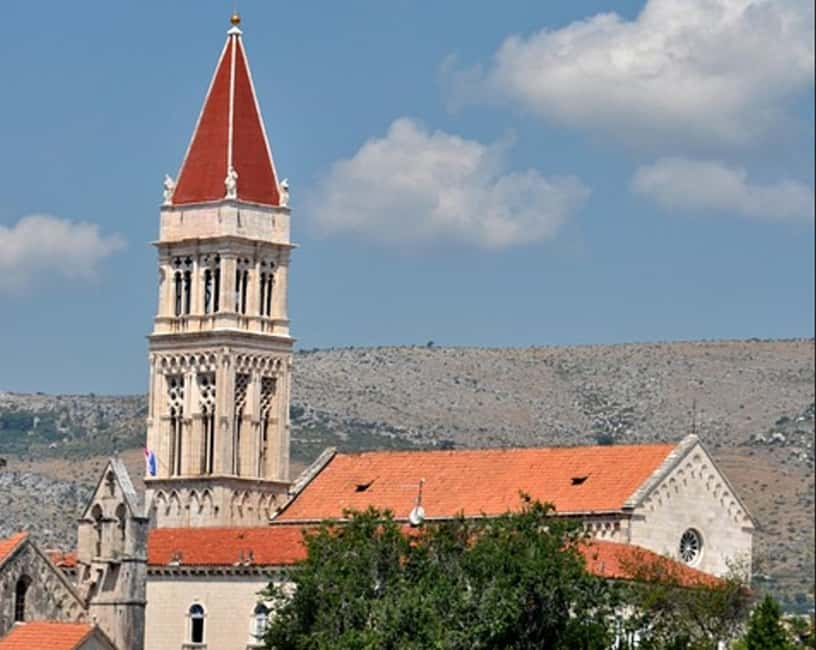
The Cathedral of Saint Lawrence is the main architectural focus of Trogir’s central square. Its Romanesque portal is especially important, with detailed stone carving that rewards a close look.
The guide helps you read the entrance rather than simply walk past it. The cathedral’s exterior is included in the tour, while admission is not. If you want to go inside, you will need to handle the ticket separately and confirm whether timing allows it.
The cathedral is a good example of why a guide matters in Trogir. The old town is pleasant to walk through on your own, but details in the stonework and the changes in architectural style can pass unnoticed without explanation.
City Loggia
The City Loggia is another stop on the guided route. This open civic structure served public purposes and reflects the way historic Mediterranean towns organized their communal life.
It is not as instantly dramatic as the cathedral, but it helps fill out the picture of Trogir as a working town, not simply a preserved monument. You will see how public spaces, religious buildings, and narrow residential lanes fit together.
Kamerlengo Fortress
The medieval Kamerlengo Fortress sits near the water and adds a defensive note to the Trogir walk. Its position gives you a different view of the town and the Adriatic.
The fortress is included as a guided sightseeing stop, with the focus on its exterior. Sweeping views are part of the appeal, but the exact access inside depends on the current arrangements and is not included in the tour price.
This is a good final landmark before your free time. After hearing about palaces, churches, and civic buildings, the fortress shows Trogir from a military angle.
One hour to explore Trogir on your own
You get about one hour of free time in Trogir after the guided portion. That is enough for a relaxed walk through lanes you may have passed too quickly, a look at the waterfront, or a short break before the return trip.
I would use this hour for simple wandering rather than trying to add a major attraction. The old town is compact, and the pleasure comes from noticing doorways, stone details, and small turns in the lanes.
Keep an eye on the meeting time. The return transfer is part of the plan, and a late return could affect the rest of your day, especially if you are returning to a cruise ship. The final drop-off is at Trajektna Luka Split, with the information also noting that drop-off can be arranged elsewhere.
Guides who bring the history to life
The strongest part of this experience is the guiding. Ivana is described as informative, humorous, and especially connected to Split. That combination matters because the city has a lot of history packed into a small area, and a dry lecture would make the walk feel heavy.
Slavko is praised for his grasp of local history and customs, along with his helpful and courteous manner. Mia is described as witty and able to keep the group interested. Guide assignments can vary, but the experience has included all three.
You should expect English-language guiding. The tour is offered for private groups as well, which may suit families or friends who want a more personal pace. A private option usually matters most here if someone in your group wants extra explanation or more flexibility around photographs and stops.
Who should book this tour
I would recommend this tour to you if you want a clear introduction to Split and Trogir in one outing. It works particularly well for cruise ship passengers, first-time visitors, and anyone who prefers a guide to explain what they are seeing.
It also suits travelers who value transport and structure. The van connection removes a practical headache, and the route covers the most important historic points without requiring you to plan two separate excursions.
You should think twice if you want long visits inside churches, museums, or fortresses. Since entry tickets are not included and the planned sightseeing is mainly exterior, this is better for orientation and atmosphere than for a detailed museum day.
The walking may also be tiring in hot weather. Historic centers use stone paving, and the route includes several hours on foot. Comfortable clothing and shoes are not optional extras here.
Price, timing, and practical value
At $58 per person, the tour offers solid value for a five-hour experience. You receive two guided walks, a local licensed guide, and the transfer between Split and Trogir. Hiring separate transport and guides could cost more, while doing both towns independently would require extra planning.
The price is less attractive if you plan to skip the guided explanations or if you already know both old towns well. It also does not cover entry tickets, so budget separately if you want to enter the cathedral, basement areas, or fortress where admission applies.
The tour offers free cancellation up to 24 hours before departure and allows you to reserve now and pay later. Those terms are useful when your schedule may shift, especially around cruise arrivals.
Should you book this Split and Trogir tour?
Book it if you want two historic towns, one guide, and one simple transfer in five hours. The mix of Roman Split, medieval Trogir, and free time in the smaller town gives you variety without a complicated day plan.
Skip it if you prefer to explore slowly, spend substantial time inside paid sites, or avoid walking on old stone streets. For most first-time visitors with limited time in Dalmatia, though, this is a sensible way to see the highlights and hear the local stories that make them meaningful.
FAQ
How long does the Split and Trogir tour last?
The experience lasts five hours, including the guided walks, the transfer between towns, and free time in Trogir.
Where does the tour begin?
The meeting point is in front of the Golden Gate, the northern entrance to Diocletian’s Palace. Look for the blue umbrella below the Gregory of Nin statue.
Is hotel or location pickup available?
Pickup is optional and depends on the selected booking option. The listed meeting point is the Golden Gate.
How do I get from Split to Trogir during the tour?
You travel by van between the two towns. The transfer takes approximately 40 to 45 minutes.
How much free time do I get in Trogir?
You get about one hour of free time in Trogir after the guided walk.
Are entrance tickets included?
No. Entry tickets are not included, and the planned visits are exterior visits.
Which languages are available?
The tour is conducted in English.
Is the tour suitable for wheelchair users?
No. The experience is not suitable for wheelchair users.
What should I bring?
Bring comfortable shoes and comfortable clothing. You should not bring luggage or large bags.
Can I book a private group?
Yes. A private group option is available, depending on the selected booking choice.
Fresh shore excursions around Croatia
- Total Game of Thrones Shore Excursion★ 5.0 · 4 reviews
- Dubrovnik Shore Excursion: Game of Thrones Tour (City Walls ticket included)★ 4.5 · 56 reviews
- Dubrovnik Coast and Cavtat Shore Excursion★ 4.0 · 8 reviews
- Dubrovnik Shore Excursion: City Walls Walking Tour (entrance ticket included)★ 4.5 · 28 reviews
- Dubrovnik Shore Excursion: Old Town Walking Tour★ 4.0 · 16 reviews
- Dubrovnik Above Beyond, Srdj drive & guided Old Town PRIVATE SHORE EXCURSION★ 5.0 · 48 reviews
- Dubrovnik Private Shore Excursion: Dubrovnik Old Town, Konavle Valley and Sivi Soko Viewpoint★ 5.0 · 2 reviews
- From SPLIT Cruise Port: Exclusive Tour of Split and Trogir★ 5.0 · 2 reviews
Split Shore Excursions, compared.
Split and Trogir Half Day Tour from Cruise Ships
Read our review →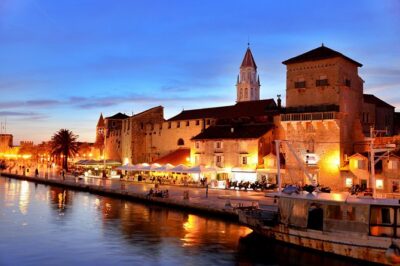
Split and Trogir private tour *ideal for cruise ship guests*
Read our review →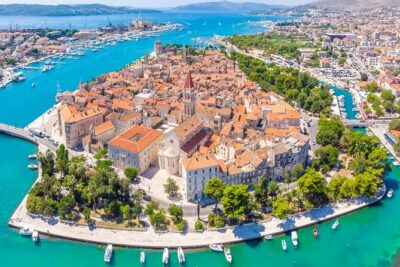
Split and Trogir Half Day Tour from Split (with port pickup)
Read our review →
Private Krka Waterfalls with Wine and Prosciutto Shore Excursion
Read our review →Browse the lists this tour appears in