
Review · JAPAN
Private shore excursions in Kyushu, Japan
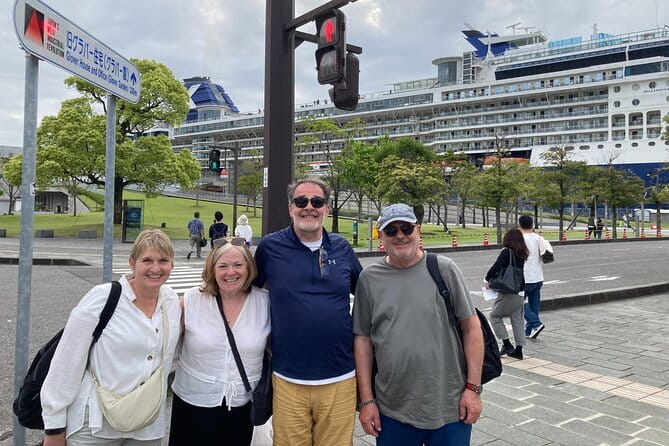
Kyushu is too large and varied for a tidy one-day checklist, which is exactly why this private shore excursion can work so well. With Shannon Lefebvre, an Australian guide who has lived in Japan for nearly 20 years, you can shape the day around temples, volcanic scenery, food, castles, hot springs, or difficult history. The long list of possible stops is a menu, not a promise that you will see every place in one day.
I like the private vehicle and flexible pace, especially for families or small groups who do not want to trail behind a flag-waving guide. I also like the unusual mix: a sake brewery, an onsen foot bath, buried homes from a volcanic eruption, and a market picnic can be more memorable than another standard shrine visit. The main drawback is the premium price and ambitious geography. At $1,759.12 for up to eight people, value depends on filling the vehicle and choosing a sensible route.
Key points to know before booking
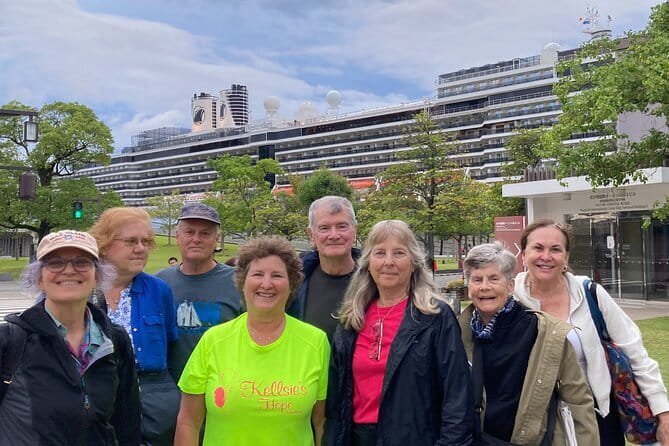
- A genuinely private day: Only your group participates, with transportation, a native English-speaking guide, WiFi, water, lunch, and alcoholic beverages included.
- Shannon Lefebvre leads the experience: His Australian background and long life in Japan help bridge language and cultural gaps.
- The itinerary is highly flexible: Choose a regional route instead of trying to force all 23 listed sights into 10 to 12 hours.
- Kyushu’s variety is the draw: Expect options ranging from Dazaifu and Nanzo-in to Nagasaki, Unzen, Beppu, Yufuin, Kagoshima, and Chiran.
- Some stops are serious: The Nagasaki Atomic Bomb Museum, Peace Park, buried houses, and Chiran Peace Museum call for time and thought.
- Cancellation terms are strict: The booking is non-refundable, except when poor weather causes the port call or tour to be canceled.
A private Kyushu day built around your interests
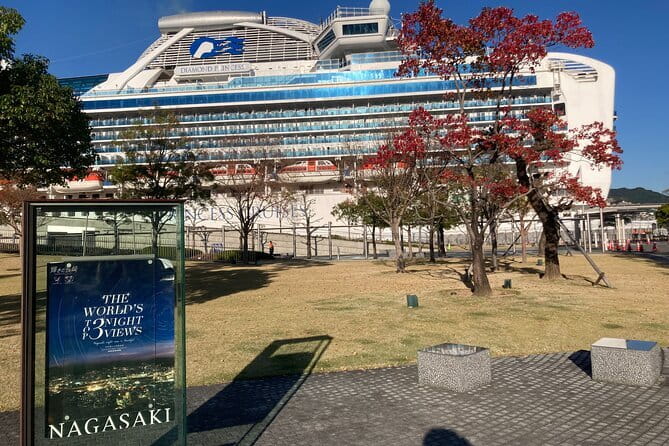
This is less a fixed tour than a private Kyushu touring service. The listed stops cover a huge part of the island, from Fukuoka in the north to Kagoshima and Chiran in the south. That range is useful if you want ideas, but it also requires a practical conversation before you set off.
A 10 to 12-hour day cannot sensibly include all 23 locations. The stated 10-minute times at each stop are best understood as brief sample visits, not a realistic full sightseeing plan. If you stop at every place, you will spend much of the day getting in and out of the vehicle. I would choose one area, or at most two nearby clusters, and ask Shannon to build the route around your ship’s schedule and interests.
That flexibility is the heart of the experience. You can spend longer at a place that catches your attention, shorten a stop that does not, or alter the plan during the day. This matters on a shore excursion, where a large group often has to move on simply because the timetable says so.
More Private Shore Excursions in the world:
- FOR CRUISERS: Skip The Lines PRIVATE EPHESUS TOUR &On Time Return
★ 5.0 · 8,527 reviews - PRIVATE EPHESUS TOUR FOR CRUISERS: On-time Return and Skip-Line
★ 5.0 · 5,807 reviews - PRIVATE TOUR FOR CRUISERS: Mary’s House (Meryemana) and Ephesus
★ 5.0 · 1,349 reviews
Riding in comfort with a small group
The transport is private, air-conditioned, and designed for easy entry and exit. Depending on group size, the vehicle may be a Toyota Grand Hiace for eight people, a Toyota Commuter Hiace for up to ten, or a Toyota Microbus for up to fifteen. The advertised price is for a group of up to eight, so confirm the vehicle and final arrangement if your party is larger.
The private setup is especially helpful for older passengers, families, and anyone who needs a slower pace. One tour account describes the day as well suited to seniors, with a thoughtful rhythm rather than a race between sights. WiFi on board, bottled water, lunch, and alcoholic beverages are included, adding practical comfort during a long day.
Pickup is offered, which is important for a port call. Still, you should confirm the meeting point and the return timing before booking. A private tour gives you flexibility, but it does not remove the need to protect your sailing schedule.
Fukuoka options: Nanzo-in, Dazaifu, and Yusentei
If your ship calls at Fukuoka, the local route can combine major religious sites with quieter cultural stops.
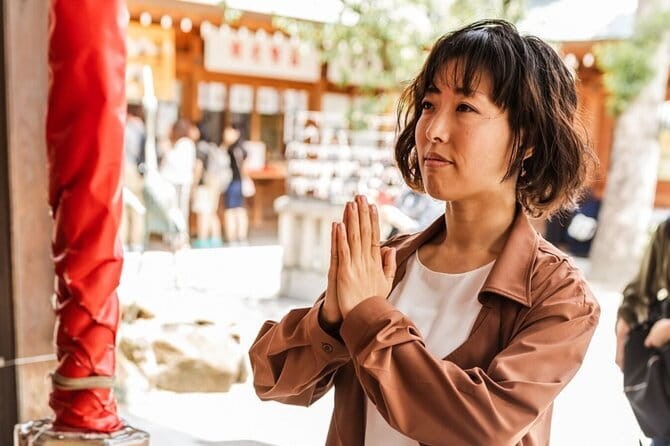
Nanzo-in Temple sits in the countryside outside Fukuoka City. Its huge reclining Buddha is the headline attraction, but the setting is part of the appeal. This is not simply another compact urban temple visit. The remote feel gives the stop a different mood from the busy shrine streets closer to the city.
Dazaifu Tenmangu is Fukuoka Prefecture’s best-known shrine and is dedicated to the god of learning. It is a natural choice for first-time visitors who want a major Japanese religious site, though its popularity means it can feel more visitor-oriented than a small neighborhood temple. If you have school-age children or an interest in Japanese education traditions, the shrine has extra meaning.
Yusentei Park offers a calmer cultural pause in Fukuoka City. Its garden, traditional design, and tea-house atmosphere provide the kind of distinctly Japanese setting that does not require a long explanation to appreciate. I would choose it if you want gardens and quiet rather than another large religious complex.
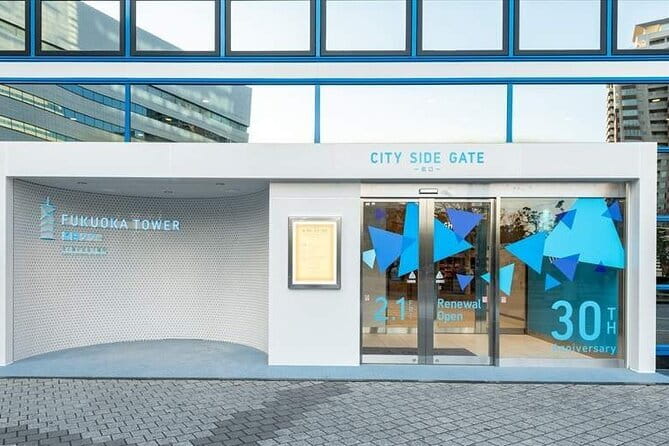
Hakata Port Tower is a convenient final or opening stop near the port. The free visit gives you a city and harbor view without using much of your day. It makes sense for a short port call, but it should not displace a major cultural site if time is tight.
Itoshima: noodles, sake, and a local-style lunch
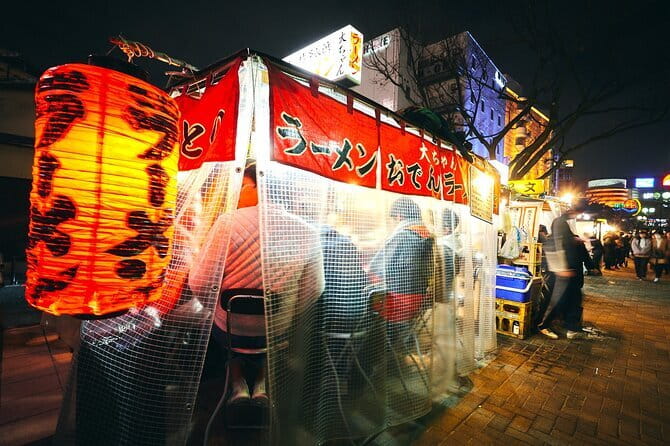
The Itoshima choices provide a pleasant change from temples and monuments.
At Ichiran no Mori Itoshima, you can see part of the noodle-making process before sampling the famous ramen brand’s products. The scale of the building and the factory-style presentation make this more than a simple restaurant stop. It is a useful choice for food-focused groups, particularly if you want to understand how a familiar Japanese product is made.
Suginoya Brewery offers a look at traditional sake production in an older, attractive setting. The value here is not only tasting. You get a sense of how local brewing traditions connect food, drink, architecture, and place. Alcoholic beverages are listed as included, but exact tasting arrangements may depend on the day and the brewery, so ask for details.
Food can also become part of the sightseeing. One especially appealing idea is stopping at a local market, choosing food together, and eating it as a picnic. That is more personal than being handed the same boxed lunch as every other group. It also gives you a small window into ordinary shopping in Japan.
More shore excursions around the world:
- Top Choice For Cruisers: Ephesus, Mary’s House WITH TICKETS+LUNCH
★ 5.0 · 7,233 reviews - From the Port of Kos: Full Day Boat Cruise to 3 Islands
★ 4.8 · 5,137 reviews - Hilo Shore Excursion: Volcanoes National Park & Black Sand Beach
★ 4.5 · 2,338 reviews - Arrecife: Timanfaya and Green Lagoon for Cruise Passengers
★ 4.6 · 2,010 reviews
Nagasaki and Unzen: history with real weight
A Nagasaki route needs careful pacing. The city and surrounding peninsula offer some of Kyushu’s most powerful historic sites, but you should not treat them as quick photo stops.
The Nagasaki Atomic Bomb Museum explains the destruction caused by the 1945 bombing and places the event within a wider message about peace. The nearby Nagasaki Peace Park commemorates the dead and injured, including the stated death toll of 74,000 people and roughly 75,000 injured. These sites can be emotionally heavy. Allow enough time to read and reflect instead of rushing through for a few pictures.
Shimabara Castle gives the day a different historical focus. Set between Ariake Bay and Mount Unzen, it is a large fortified structure with a deep outer moat. Its size and setting help explain the defensive character of old castle towns. Nearby Samurai Street preserves the feel of the former samurai district, with stone walls and a canal carrying spring water through the center.
The Buried Houses of the Mt. Unzen Eruption Preservation Park record the volcanic eruptions of 1990 to 1995. Homes were partly covered by volcanic material, leaving a direct and unsettling record of the disaster. This stop is valuable because it shows the effects of nature on ordinary households, not just the dramatic shape of a volcano from a distance.
Unzen Jigoku, or Unzen Hell, is a volcanic area within Unzen National Park. Steam, hot ground, alpine plants, and wild birds give it a different character from the preserved homes. The name sounds dramatic, but the place is also a chance to see how volcanic activity shapes a living environment.
The Megane Bridge in Isahaya, known as the Spectacle Bridge, is a double-arch stone bridge across a pond in Isahaya Park. It is a brief scenic stop rather than a full-day attraction. Include it when it fits your route, not as a reason to cross half of Kyushu.
Hot water and seaside food at Hot Foot 105
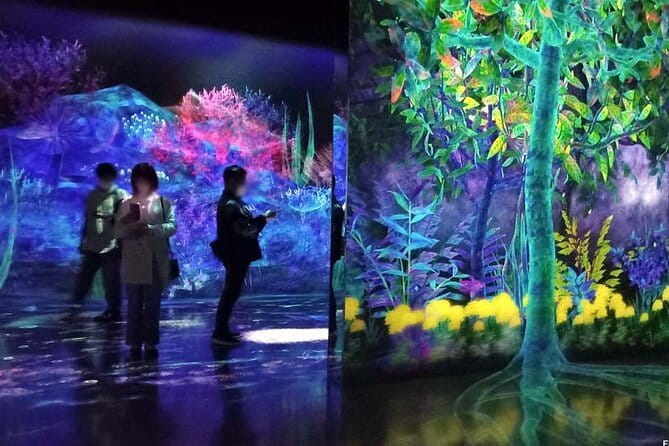
Hot Foot 105 in Obama is one of the more unusual choices. You can sit with your feet in a hot spring foot bath while looking toward the sea and eating steamed vegetables or snacks. Drinks, including alcoholic and non-alcoholic choices, add to the relaxed feel.
This is precisely the kind of stop that distinguishes a private day from a standard sightseeing circuit. It is simple, social, and local in spirit. You do not need a long lecture to understand why a seaside foot bath is enjoyable.
It also offers a useful break after museums or historic districts. If your group includes people who tire from constant walking, this stop gives you a chance to sit down without abandoning the day’s cultural character.
Beppu and Oita: colored hot springs, views, and old towns

The Oita portion offers several ways to experience Kyushu’s hot-spring culture.
Chinoike Jigoku, the Blood Hell Pond, is a red hot spring said to have existed for more than 1,300 years. Its color comes from the minerals in the water, and the sight is striking even if you have already visited other hot springs. Admission is included for this stop.
The Jumonjibaru Observation Deck is a straightforward scenic lookout. It is best used as a short pause for broad views, especially when your group wants fresh air between longer visits. The exact sightline can depend on conditions, so treat it as a viewpoint rather than a guaranteed landmark panorama.
Yufuin Onsen is one of Oita’s best-known hot-spring areas. The stop can give you a sense of the town’s resort character and the wider role of bathing culture in Japan. Ask in advance what part of Yufuin is planned, since the information provided does not promise a particular bath or admission.
In Hita, Mamedamachi Shopping Street preserves an old-town atmosphere and gives you time to browse shops and local products. The Sapporo Beer Kyushu Hita Brewery is aimed squarely at beer lovers, with a look at regional brewing and a tasting element. Together, these stops pair everyday shopping with industrial food culture.
Southern Kyushu: Kagoshima, Chiran, and a sand bath
The southern route is ambitious from a Fukuoka port pickup, so it makes the most sense when your ship is calling closer to this area or when the route has been planned very carefully.
Shiroyama Observatory in Kagoshima provides a major viewpoint over the city area. It is described as an especially impressive lookout, and it can give you a quick sense of Kagoshima’s geography before moving on.
The Shirakane Ishigura Museum is connected with local spirits and brewery culture. It offers another food-and-drink angle, complementing the sake and beer options elsewhere on the island. Admission is included.
At Saraku Sand Bath Hall, you can try a hot sand bath, a distinctly Japanese experience and one of the day’s most unusual possibilities. You are covered in warm sand rather than simply sitting in hot water. It is a memorable choice, but ask about the exact procedure and timing when planning the route.
The Chiran Peace Museum is a somber site connected with the wartime history of the Chiran area. Like the Nagasaki museums, it deserves more than a hurried ten-minute visit. It may not suit every group, especially if you want a light sightseeing day, but it provides important historical context.
What the $1,759.12 price really means
At first glance, this is expensive. For one or two people, it is hard to justify unless private transport, a native English-speaking guide, and a custom route are especially important to you.
For eight people, the listed price works out to about $220 per person before considering the included lunch, drinks, transport, WiFi, water, and admissions at selected stops. That changes the calculation. You are paying for the vehicle and guide as a group, not buying eight separate standard excursion seats.
The strongest value comes from the flexibility. You can avoid a generic bus route, reduce time at places that do not interest you, and combine a major site with something less expected, such as a market picnic or foot onsen. The weaker value appears if your group wants only one nearby attraction and could easily reach it on your own.
The guide is a major part of the equation. Shannon has been described as punctual, friendly, funny, adaptable, and able to explain Japanese culture in clear English. He has also taken photographs and videos for the group during a tour. That personal service may matter as much as the sightseeing, particularly for a first visit to Japan.
Who should book this experience?
I would consider it for a group of four to eight people who want a private day and have different interests to combine. It suits passengers who value conversation, history, food, and local customs more than a rigid list of famous stops.
It is also a good match for families and older adults who need easy vehicle access and the ability to adjust the pace. The included lunch and onboard amenities help on a long day.
I would hesitate if you prefer a simple, fixed itinerary with guaranteed time at every attraction. I would also hesitate if your ship’s port call is short, because the tour is designed for roughly 10 to 12 hours and the route choices are spread across a large area.
The cancellation rule deserves attention. The experience is non-refundable and cannot be changed for personal reasons. A full refund or alternate date is offered only when poor weather cancels the tour, and port-call cancellations or changes caused by bad weather may qualify for a partial refund. Read those terms carefully before paying.
Should you book the Kyushu private shore excursion?
Book it if you want a custom day with a real guide, your group can share the cost, and you are willing to choose a sensible regional route. The strongest plan might focus on Fukuoka and Dazaifu, Nagasaki and Unzen, or Oita’s hot springs, rather than attempting the whole island.
Skip it if you want a low-cost outing, a short transfer to one attraction, or a guaranteed schedule with no route decisions. For the right group, though, the private vehicle, flexible pacing, clear English, and unusual stops can turn a port call into one of the more personal days of a Japan trip.
FAQ
How long does the private Kyushu shore excursion last?
The experience lasts approximately 10 to 12 hours.
How many people can join?
The advertised price covers a private group of up to eight people. The transport options listed include vehicles seating eight, ten, or fifteen passengers, so larger groups should confirm the arrangement before booking.
Is hotel or port pickup available?
Pickup is offered. The provided information does not specify the exact pickup locations, so confirm the meeting details when arranging the tour.
What is included in the price?
Private transportation, lunch, alcoholic beverages, WiFi on board, an air-conditioned vehicle, bottled water, and a professional driver with a native English-speaking guide are included. Admissions are included at selected stops.
Can the itinerary be changed during the day?
Yes. The tour is designed to be customized, and you can spend more or less time at a venue. Because the listed attractions cover a very large area, you should agree on a practical regional route rather than plan to visit all 23 stops.
What happens if I cancel?
The experience is non-refundable and cannot be changed for personal reasons. If poor weather causes the tour to be canceled, you will be offered another date or a full refund. Port calls canceled or changed because of bad weather may qualify for a partial refund.
Fresh shore excursions around the world
- Shore Excursion Hobart and Coal River Valley★ 5.0 · 7 reviews
- Private Shore Excursions from Chan May port to My Son Holyland & Hoi An City★ 5.0 · 2 reviews
- Hobart Shore Excursion: Bonorong Bus★ 5.0 · 4 reviews
- Cruise Ship – Port Arthur Shore Excursion – Hobart★ 5.0 · 15 reviews
- Shore Excursion – nipaluna (Hobart) Highlights★ 5.0 · 2 reviews
- Cu Chi Tunnels Private Shore Excursion – From Cruise Port★ 5.0 · 2 reviews
- Private Shore Excursion from Phu My Port: Food & Sights by Motorbike★ 5.0 · 10 reviews
- The Soul of Saigon Shore Excursion from Saigon Port★ 5.0 · 2 reviews
Japan Shore Excursions, compared.
Kyoto private tour (Shore excursion available from Osaka or Kobe port)
Read our review →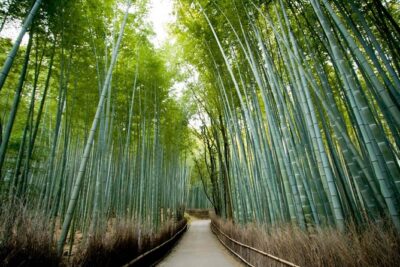
Shore excursion: Full Day Private Kyoto Tour From Osaka/Kobe Port
Read our review →
4/5/6 Hours Private Osaka Tour Designed for Cruise Passengers
Read our review →
Kobe: Private Walking Shore Excursion- Kyoto/Osaka/Nara/Kobe
Read our review →
Shore Excursion from Hiroshima Port : Private Tour in Hiroshima
Read our review →
Osaka: Private 4/5/6h Tour For Cruise Ship Passengers
Read our review →
Cruise Shore Excursion: Kobe Sake Tasting with Local Guide
Read our review →
Browse the lists this tour appears in